
Plagiarism is the act of taking acknowledgement for someone else’s words or notions. It’s an act of intellectual untruthfulness, and it comes with serious consequences. It disrupts university honor codes and can cause irrevocable damage to a person’s reputation.
The Common Types of Plagiarism
There are different types of plagiarism and all are serious violations of academic honesty. We have defined the most common types below and have provided links to examples.
Direct Plagiarism
Direct plagiarism is the word-for-word transcription of a section of someone else’s work, without attribution and without quotation marks. The deliberate plagiarism of someone else’s work is unethical, academically dishonest, and grounds for disciplinary actions, including expulsion
Self-Plagiarism
Self-plagiarism occurs when a worker or student submits his or her own previous work,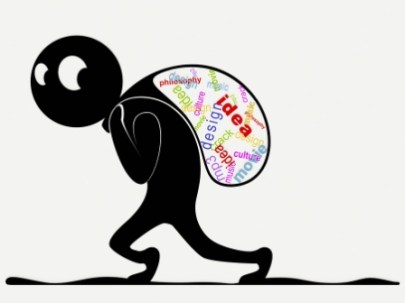 or mixes parts of previous works, without the approval from all bosses or professors involved.
Mosaic Plagiarism
Mosaic Plagiarism occurs when a worker or student borrows phrases from a source without using quotation marks, or finds synonyms for the author’s language while keeping to the same general structure and meaning of the original.
Accidental Plagiarism
Accidental plagiarism occurs when a person neglects to cite their sources, or misquotes their sources, or unintentionally paraphrases a source by using similar words, groups of words, and/or sentence structure without attribution.
HOW WOULD YOU KNOW IF ITS PLAGIARIZED?
- Sudden changes in diction.
- More than one font.
- Uncalled for hyperlinks.
- Odd intrusions of first-person or shifts in tense.
- Outdated information.
- Apparent quotes with quotation marks.
- Incorrect or mixed citation system.
- Missing references.
- A paper that doesn’t really fit the assignment.
- Uses search engines.

REFERENCES:
https://www.bowdoin.edu/studentaffairs/academic-honesty/common-types.shtml
https://www.teachthought.com/pedagogy/10-signs-of-plagiarism-every-teacher-should-know/
 WHEN CAN YOU SAY THAT THIS WORK IS PLAGIARIZED?